
Hire Play-to-Earn / Web3 Game Developers in Vietnam
Hire pre-vetted Play-to-Earn / Web3 Game developers in Vietnam. Top 3% talent, matched in 48 hours, onboarded in 7 days, from $12/hour. Book a call with Tech…
Hiring Play-to-Earn / Web3 Game developers through TechHub means pre-vetted engineers in Hanoi, Vietnam who work as part of your team. You get a shortlist within 48 hours, onboarding in about a week, an all-in rate from $12/hour, full IP ownership and a free replacement during the trial period.
What is Play-to-Earn / Web3 Game, and why do companies build with it?
Web3 games combine conventional game development with on-chain ownership of assets and, often, a token economy. The engineering spans two very different disciplines — real-time game code and secure smart contracts — and the hardest problems are economic design and wallet friction rather than rendering.
What is Play-to-Earn / Web3 Game used for?
These are the product categories where Play-to-Earn / Web3 Game is the deliberate choice rather than a default. If your project sits outside them we will say so during the first call.
Play-to-earn games
Economies where in-game activity has external value.
Asset ownership
Items players own outside the game client.
On-chain progression
Verifiable achievements and history.
Guild and social systems
Shared ownership and coordination mechanics.
Marketplace integration
Trading assets with royalty enforcement.
The people who would work on your product
Every engineer you interview is a full-time member of our 200+-strong team in Hanoi — not a freelancer sourced on demand.

What do our Play-to-Earn / Web3 Game developers actually know?
Candidates are screened against these competencies before they reach your shortlist, not against keywords on a CV.
Game + chain integration
wallets in-game
Token & asset design
sustainable loops
Smart contracts
audited
Unity / Unreal
real game quality
Wallet UX
onboarding friction
Security
asset custody
What they deliver
- Web3 and play-to-earn games
- In-game asset and token systems
- Wallet integration with low friction
- Smart contracts for game economies
Who would you actually interview?
A redacted example from our current pool. You interview and select every engineer yourself.
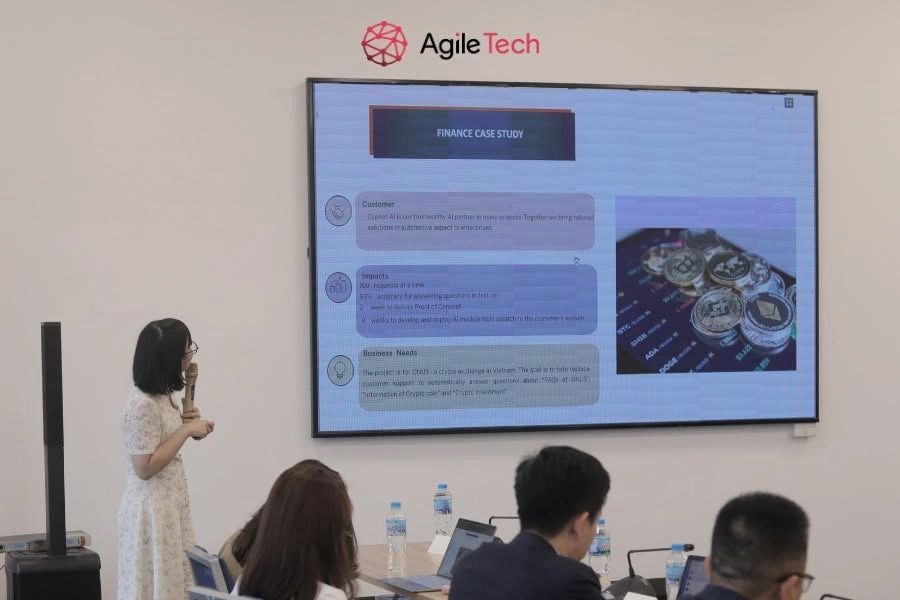
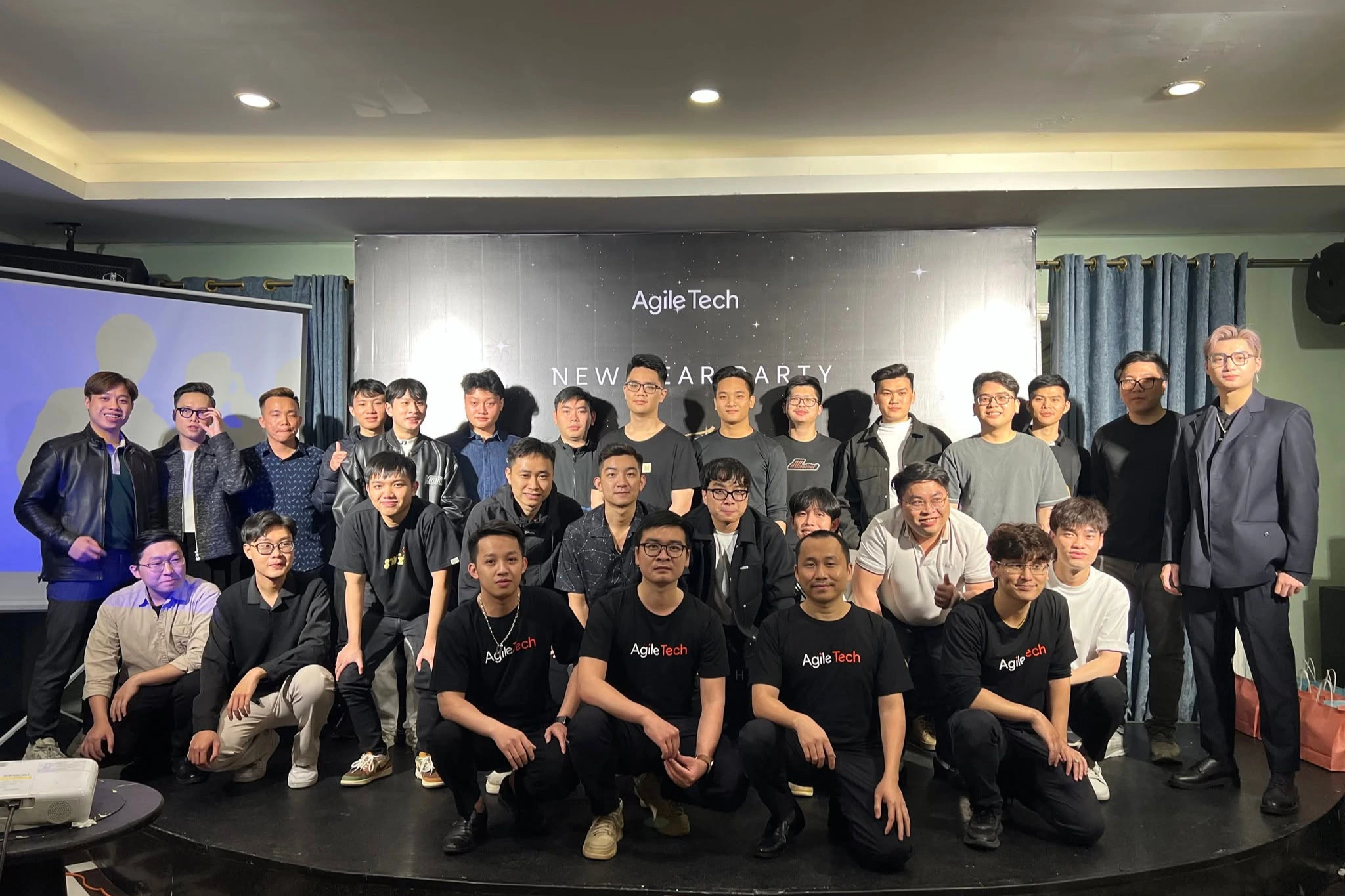
Inside the team


Scroll sideways to see more of the team →
How do you evaluate a Play-to-Earn / Web3 Game developer?
Ask a Web3 game developer how the economy behaves when new-player growth stops, and how they reduce wallet friction for people who have never used one. Games that are only fun while the token appreciates are economic designs with a game attached, and experienced developers say so plainly.
We apply exactly these checks before a candidate reaches your shortlist, which is why our acceptance rate sits at roughly 3%. You still run your own interview — the screen is there to make that interview short.
How deep is the Play-to-Earn / Web3 Game talent pool in Vietnam?
Vietnam produces a large annual cohort of computer-science and engineering graduates, and Play-to-Earn / Web3 Game sits inside the mainstream of what local teams build commercially — which matters, because a stack that is only used in hobby projects produces candidates with no production scars. Depth is strongest at mid level (three to five years); genuine senior and lead-level people exist in smaller numbers and are almost always employed, which is why we approach them directly rather than waiting for applications.
Practically, that shapes two things for you. First, timing: mid-level roles are usually filled from our existing pool within 48 hours, while a rare senior specialisation can take two to three weeks of targeted search. Second, price: seniority moves the rate far more than the technology does, which is why our ladder is built on experience bands rather than on a per-language price list. If your requirement is genuinely scarce locally, we will say so at the first call instead of sending profiles that do not meet the bar.
What to prepare before your Play-to-Earn / Web3 Game developer starts
The difference between an engineer who contributes in week one and one who is still waiting in week three is almost never the engineer. It is access. Before the start date, have repository and environment access approved, a named person who can answer domain questions, and one small but real ticket ready — not a sandbox exercise, an actual piece of work that goes through your normal review and release process.
- Accounts, repository and environment access approved in advance
- A named technical contact for the first two weeks
- Architecture notes or a walkthrough recording, however rough
- One small, real ticket ready for the first week
- Your definition of done and review expectations written down
We run this checklist with you before the start date as part of onboarding, and we hold a 30-day review covering delivery, communication and fit — with a free replacement if any of the three is wrong.
How much does it cost?
Rates are all-in: sourcing, five-step vetting, employment contracts, payroll, personal income tax, statutory insurance, workspace and delivery management are already included. There is no separate recruitment fee and no hidden employer-cost surprise at the end of the month.
What moves the number is seniority, how scarce the skill set is locally, and engagement length — longer commitments and multi-role teams price better than a single short contract. You receive a written quote against your specific role profile before committing to anything.
How do you get started?
- Day 0 — send the briefRole, seniority, stack and timeline. A 20-minute call is usually enough.
- 48 hours — shortlistProfiles with real project context and confirmed availability, not keyword-matched CVs.
- ~7 days — startYou interview and select; we handle contracts, payroll, compliance and onboarding.
Play-to-Earn / Web3 Game: in-house, freelancer or TechHub?
| Criteria | In-house hiring | Freelancer | TechHub |
|---|---|---|---|
| Vetting | You run it | Self-declared | Top 3%, five-step screen |
| Time to start | 2–3 months | Days, quality varies | ~7 days, vetted |
| If it goes wrong | Costly to unwind | You start again | Free replacement in trial |
| Payroll & compliance | Your overhead | Your risk | Handled in Vietnam |
| IP assignment | Yours | Often unclear | Contractual, yours |
| Continuity | Depends on retention | None | Managed, with backfill |
What the engagement feels like day to day
Your engineer joins your standups, works in your repository and follows your definition of done. A named account lead handles anything commercial so your technical leads never have to negotiate — they just get an engineer who shows up, communicates in English and closes tickets.
- In your tools, your process, your ceremonies
- Written daily updates where teams are distributed
- Monthly delivery and retention review
- Scale up, scale down or replace on agreed notice
Hire Play-to-Earn / Web3 Game Developers — questions buyers ask
How much does it cost to hire Play-to-Earn / Web3 Game developers?
How fast can we start?
Most play-to-earn economies collapse — how do you avoid that?
Who owns the code and intellectual property?
What if the person is not the right fit?
Can we scale up or down later?
Where is the team based?
Other options under Hire Game Developers
Need Play-to-Earn / Web3 Game developers this month?
Send the role profile and we will come back with a shortlist in 48 hours. No commitment, reply within 24 hours, NDA on request.